Design guide
Six ways to lay out twenty-one beads.
Thirty stones make trillions of possible bracelets — a number that helps nobody. There are only two decisions to make: pick a layout, then pick a colour family.
Every example is shown as 8 mm beads, 21 to a single wrap. The layouts hold at any bead size; only the count changes.

Single wrap21 beads
Six layout patterns
Pattern 01
Solid
Twenty-one beads of one stone. The quietest option, and the one that shows the material best.
Pattern 02
Alternate
Two stones, every other bead. Gives the strand a rhythm as the wrist turns.
Pattern 03
Focal
Twenty base beads and one in contrast. Three together also works; two pulls the visual weight off centre.
Pattern 04
Triad
Seven, seven and seven. Made for three shades of a single colour.
Pattern 05
Rhythm
An accent on every third bead, seven in all, evenly spaced around the strand.
Pattern 06
Ombré
One colour family from lightest to deepest and back. The layout that looks most designed.
Three stones
Clear & White
The most wearable group. These stones differ through clarity and internal texture; one dark focal bead gives the strand a centre.
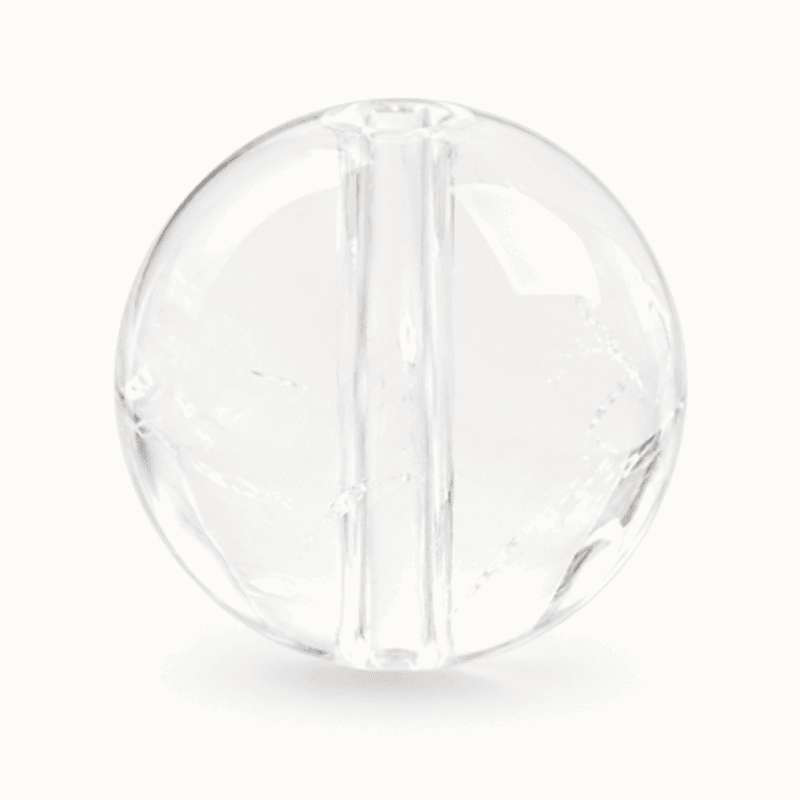
Solid21 / 1
21 × Clear Quartz
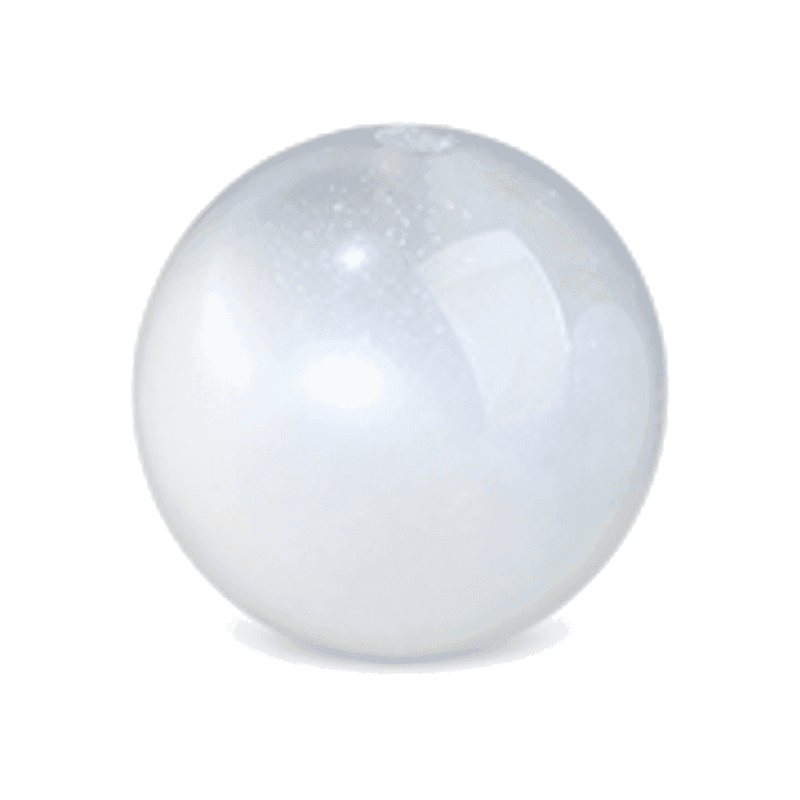
Alternate11 / 10
Clear Quartz with White Moonstone
Focal20 + 1
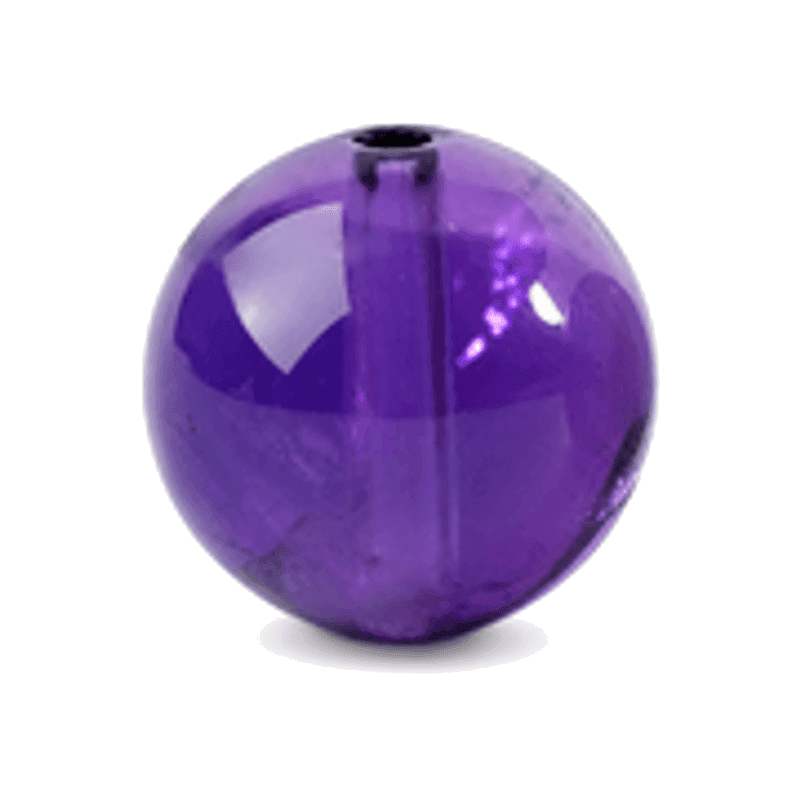
20 × Clear Quartz, one Uruguay Amethyst
Triad7 / 7 / 7
Clear Quartz · White Moonstone · Blue Moonstone
Rhythm1 in 3
Clear Quartz base, White Moonstone every third bead
Ombrépale → deep
Clear Quartz → Blue Moonstone
Five stones
Gold & Amber
Citrine through smoky quartz forms a complete warm scale, making this the easiest family to grade from light to deep.
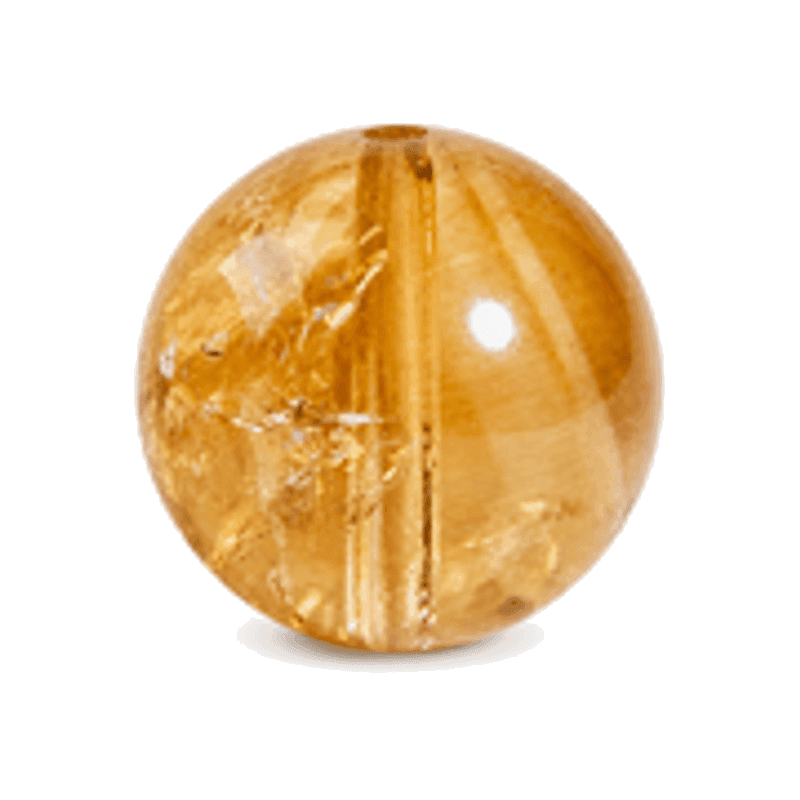
Solid21 / 1
21 × Citrine
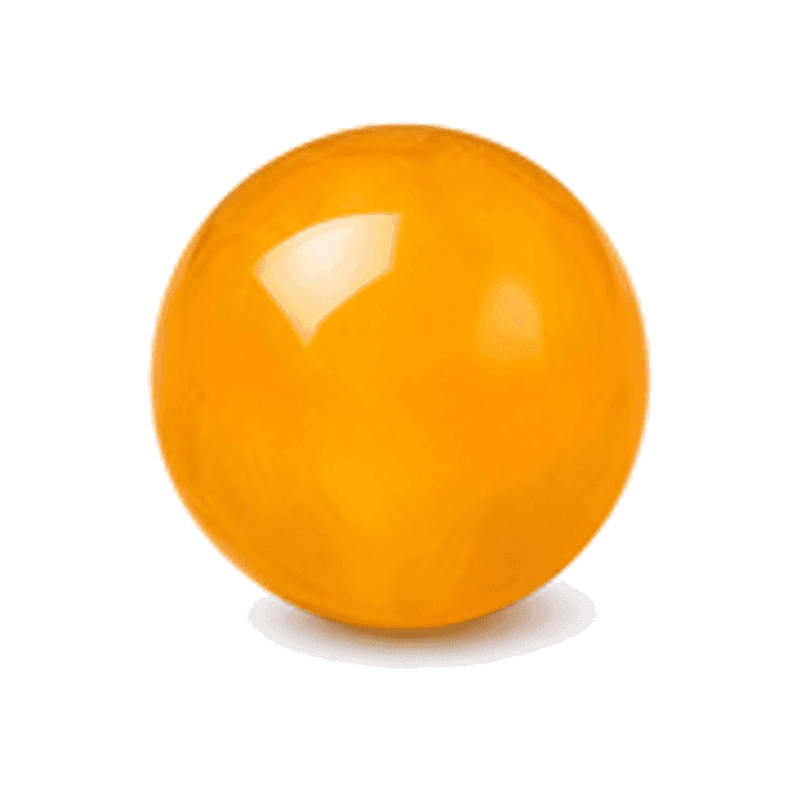
Alternate11 / 10
Citrine with Yellow Agate
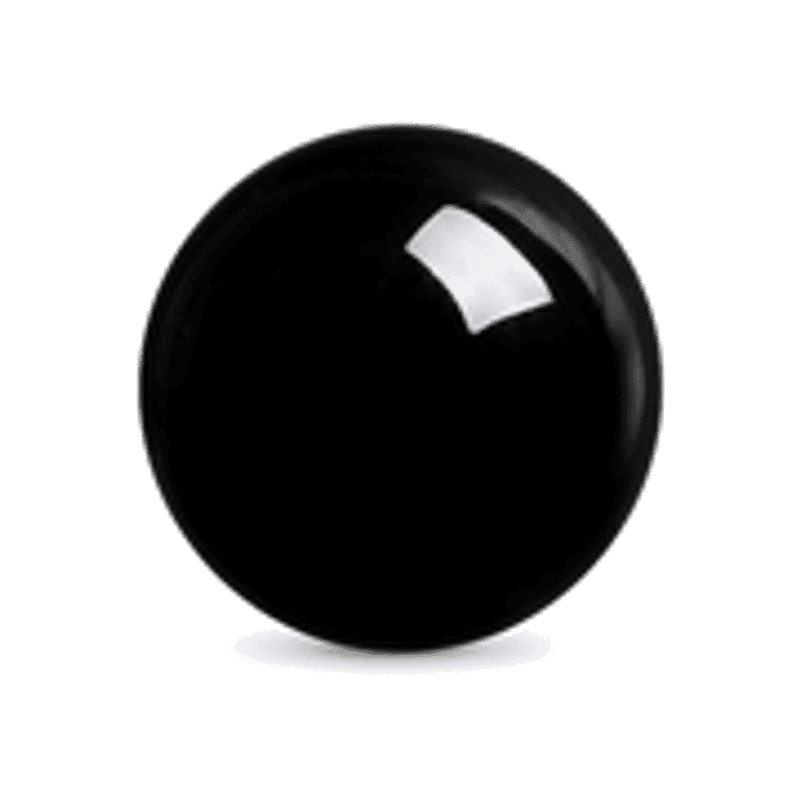
Focal20 + 1
20 × Citrine, one Black Onyx
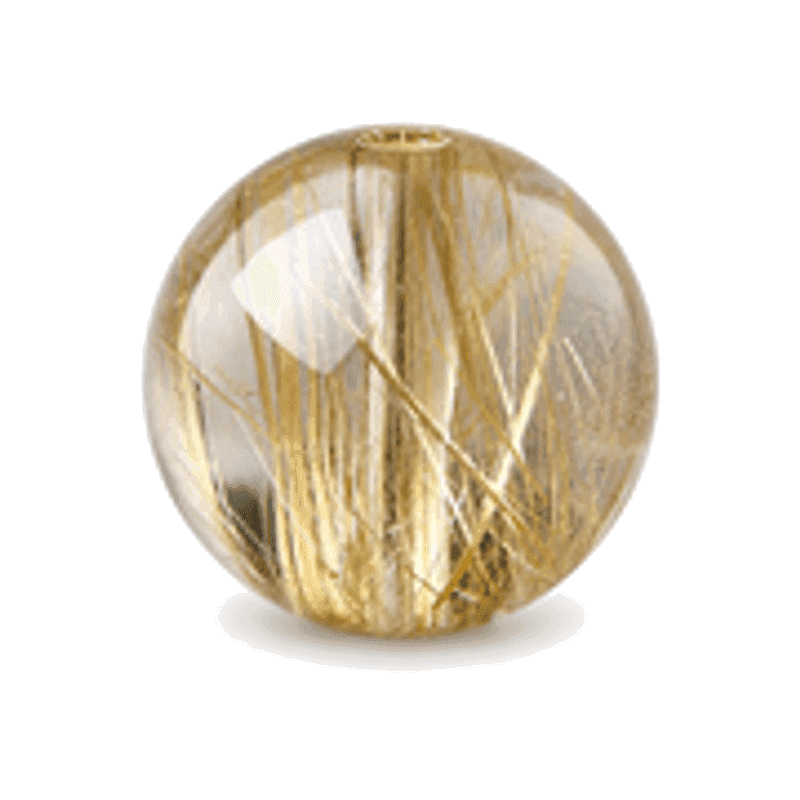
Triad7 / 7 / 7
Citrine · Yellow Agate · Golden Rutilated Quartz
Rhythm1 in 3
Citrine base, Yellow Agate every third bead
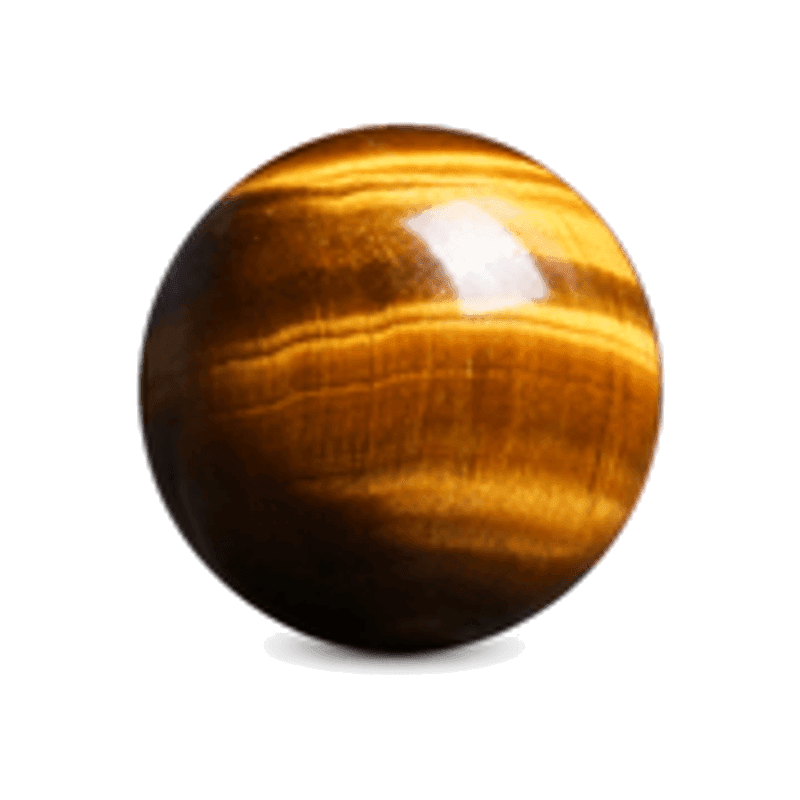
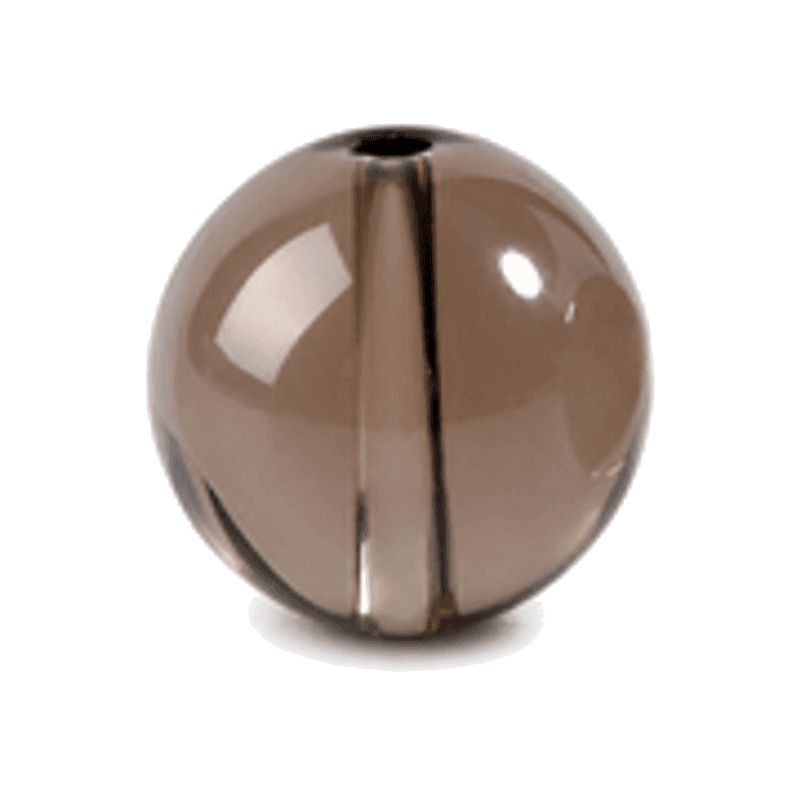
Ombrépale → deep
Citrine → Smoky Quartz
Three stones
Red & Crimson
The most saturated family. If you want it quieter, break it with a neutral rather than adding a second strong colour.
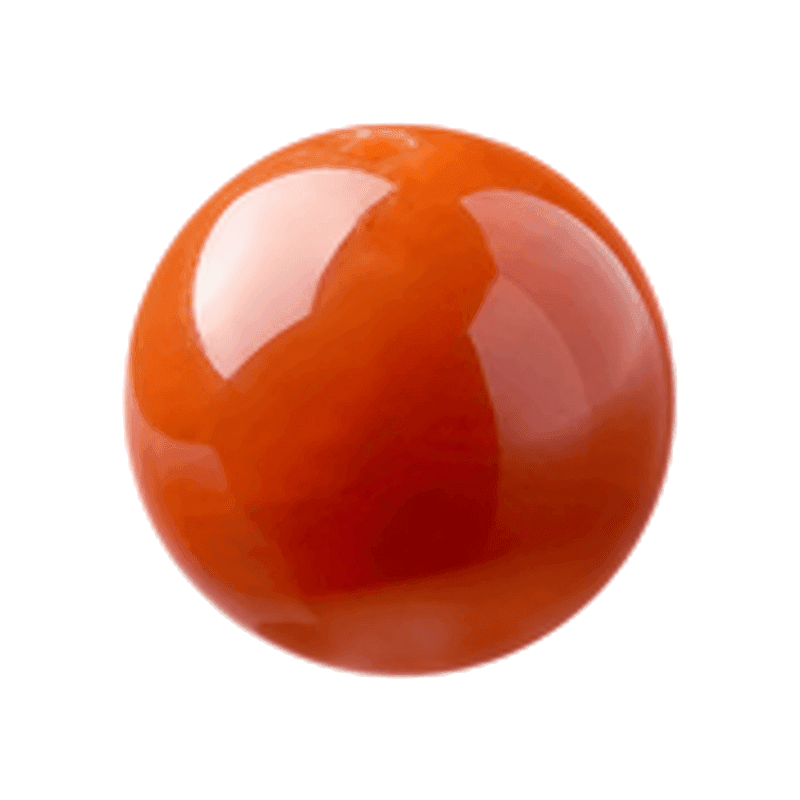
Solid21 / 1
21 × Red Agate
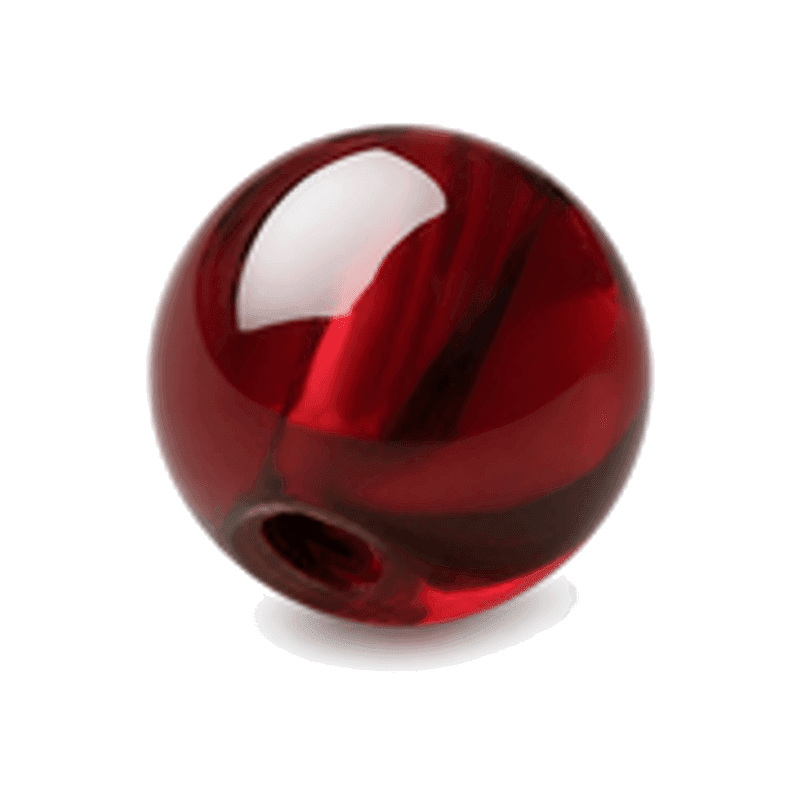
Alternate11 / 10
Red Agate with Garnet
Focal20 + 1
20 × Red Agate, one Citrine
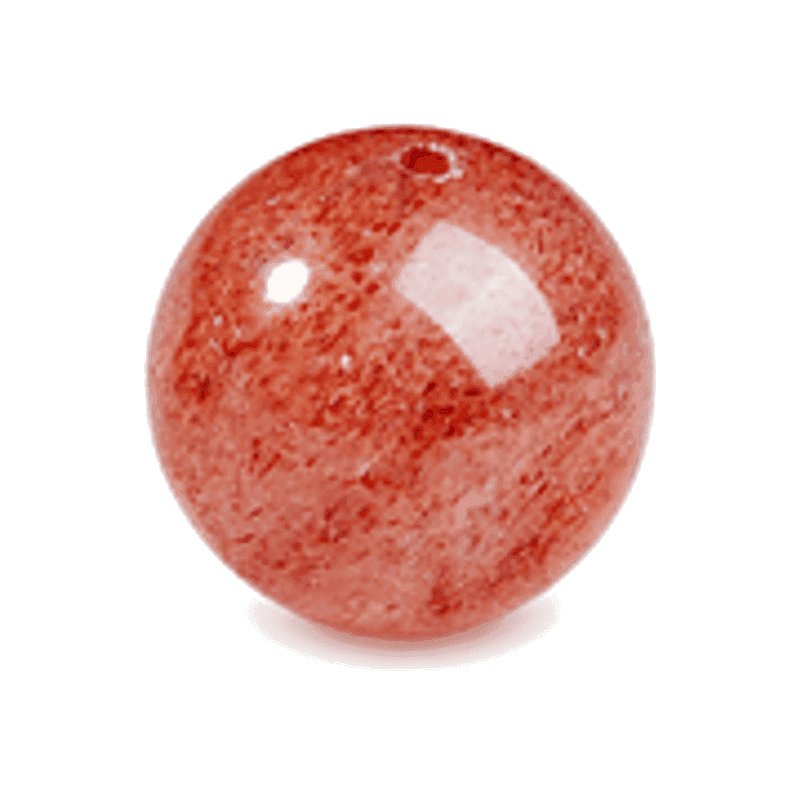
Triad7 / 7 / 7
Red Agate · Garnet · Strawberry Quartz
Rhythm1 in 3
Red Agate base, Garnet every third bead
Ombrépale → deep
Red Agate → Strawberry Quartz
Three stones
Pink & Blush
Three close pinks read as one colour under different light. They suit ombré and alternation more than hard contrast.
Solid21 / 1
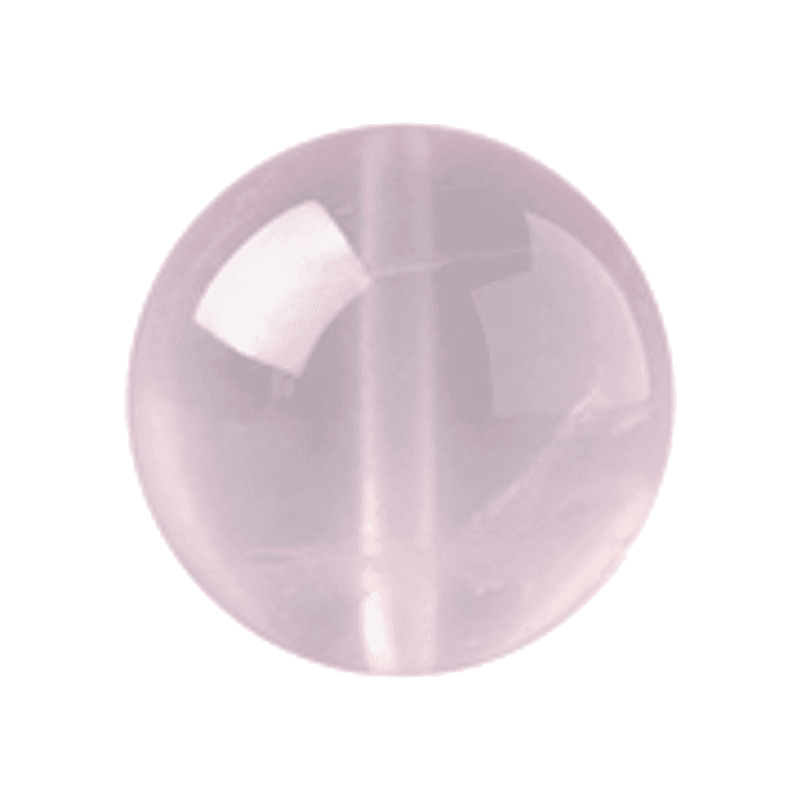
21 × Rose Quartz

Alternate11 / 10
Rose Quartz with Kunzite
Focal20 + 1
20 × Rose Quartz, one Uruguay Amethyst
Triad7 / 7 / 7
Rose Quartz · Kunzite · Strawberry Quartz
Rhythm1 in 3
Rose Quartz base, Kunzite every third bead
Ombrépale → deep
Rose Quartz → Strawberry Quartz
Four stones
Violet & Lavender
Four amethysts already sit in even steps from pale to deep — the clearest demonstration of the three-shade rule.
Solid21 / 1
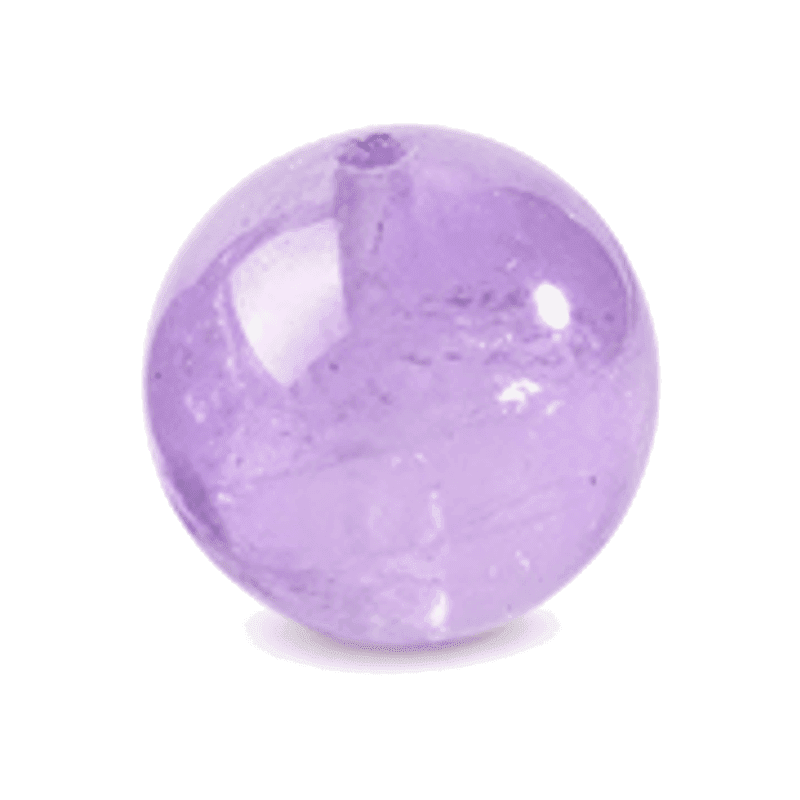
21 × Lavender Amethyst
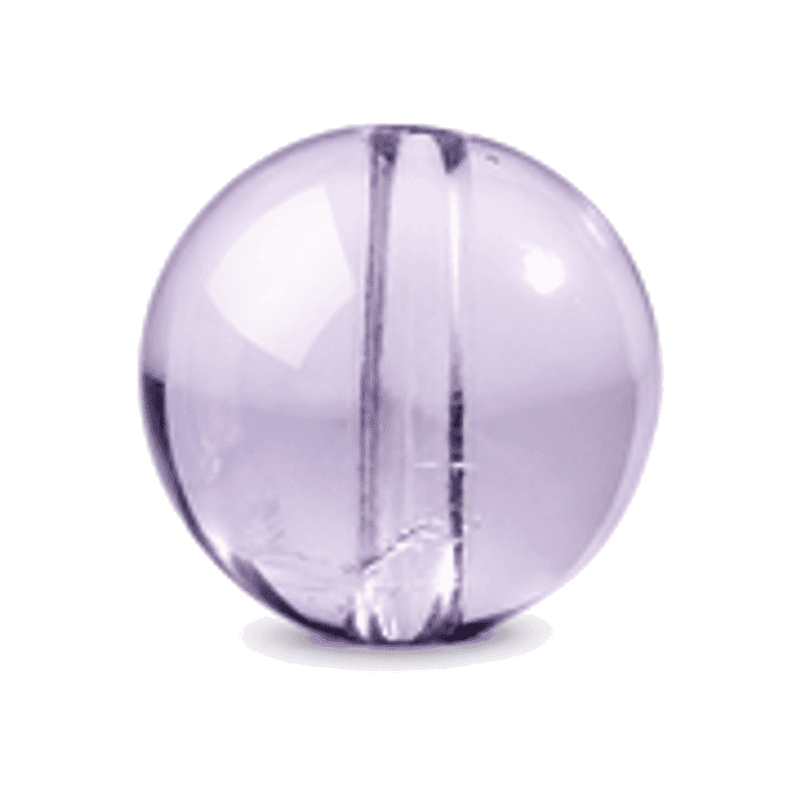
Alternate11 / 10
Lavender Amethyst with Bolivian Light Amethyst
Focal20 + 1
20 × Lavender Amethyst, one Rose Quartz
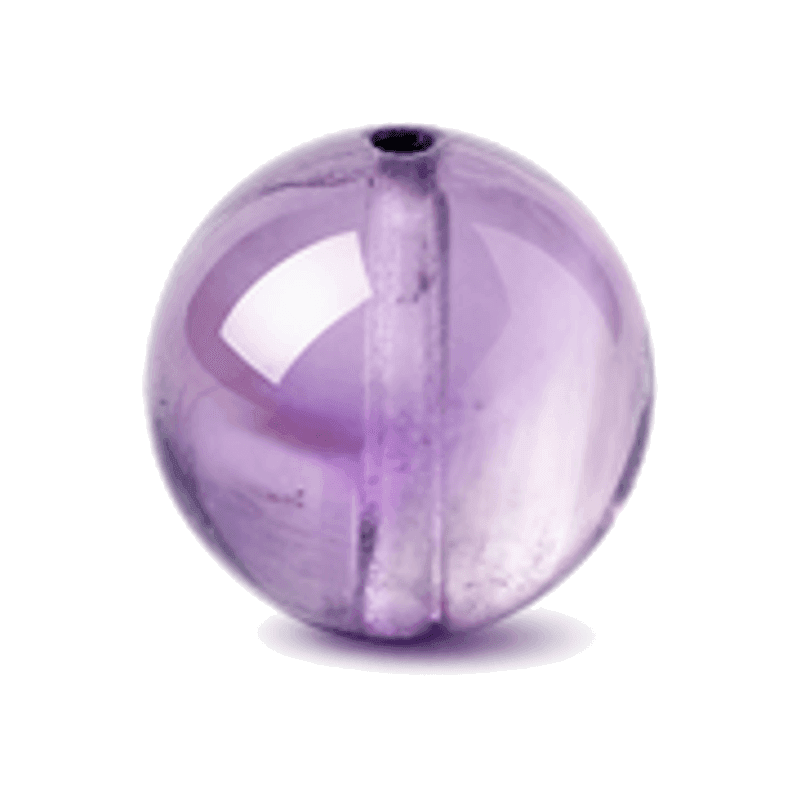
Triad7 / 7 / 7
Lavender Amethyst · Bolivian Light Amethyst · Brazilian Amethyst
Rhythm1 in 3
Lavender Amethyst base, Bolivian Light Amethyst every third bead
Ombrépale → deep
Lavender Amethyst → Uruguay Amethyst
Six stones
Blue & Sea
This family runs from near-clear chalcedony to almost-black lapis. Neighbours are safest; wider jumps need a pale bead between.
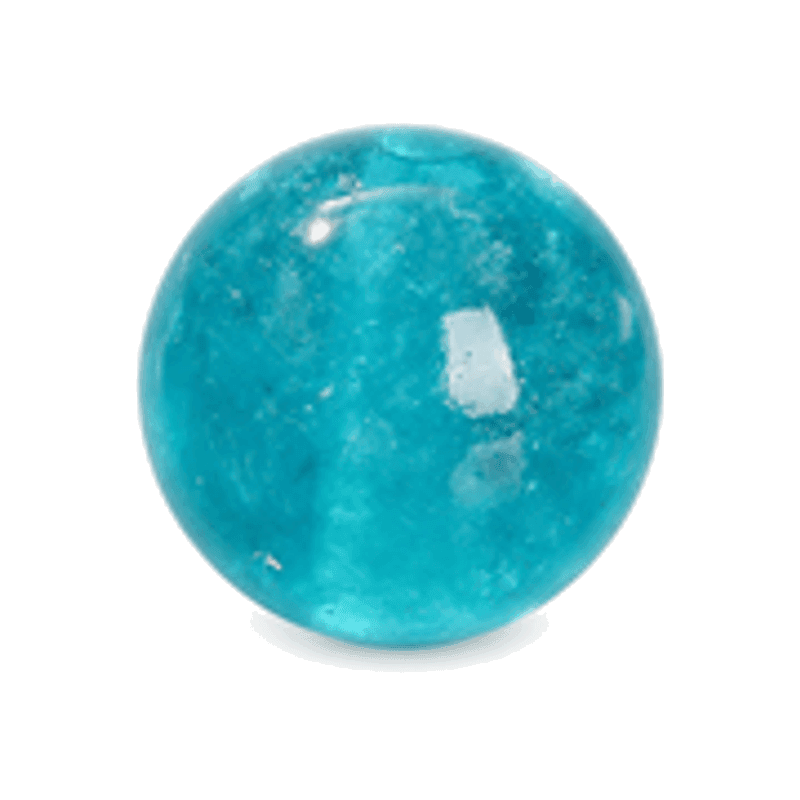
Solid21 / 1
21 × Blue Chalcedony

Alternate11 / 10
Blue Chalcedony with Aquamarine
Focal20 + 1
20 × Blue Chalcedony, one Citrine
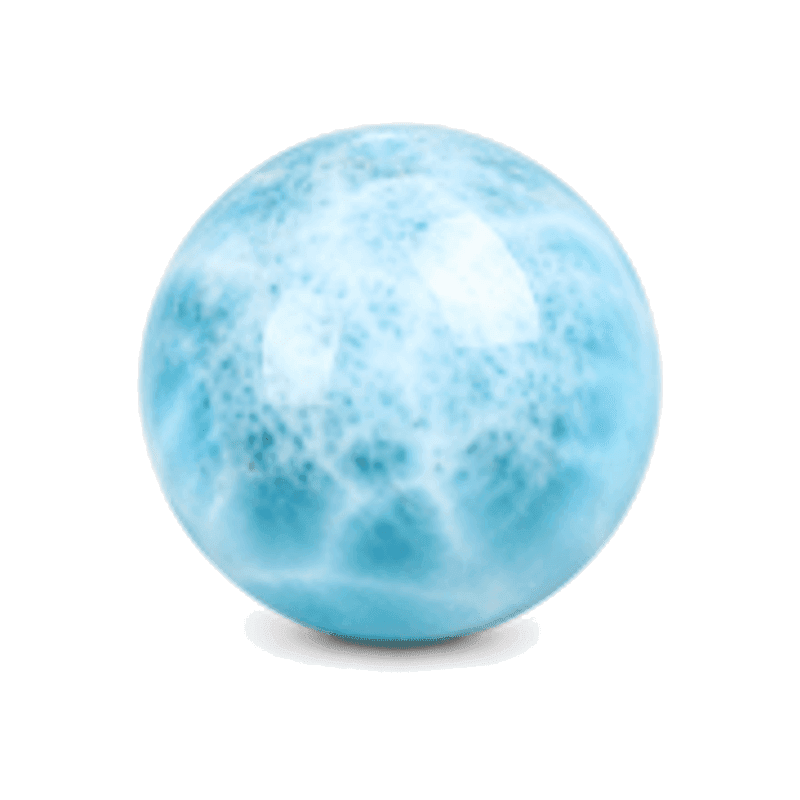
Triad7 / 7 / 7
Blue Chalcedony · Aquamarine · Larimar
Rhythm1 in 3
Blue Chalcedony base, Aquamarine every third bead

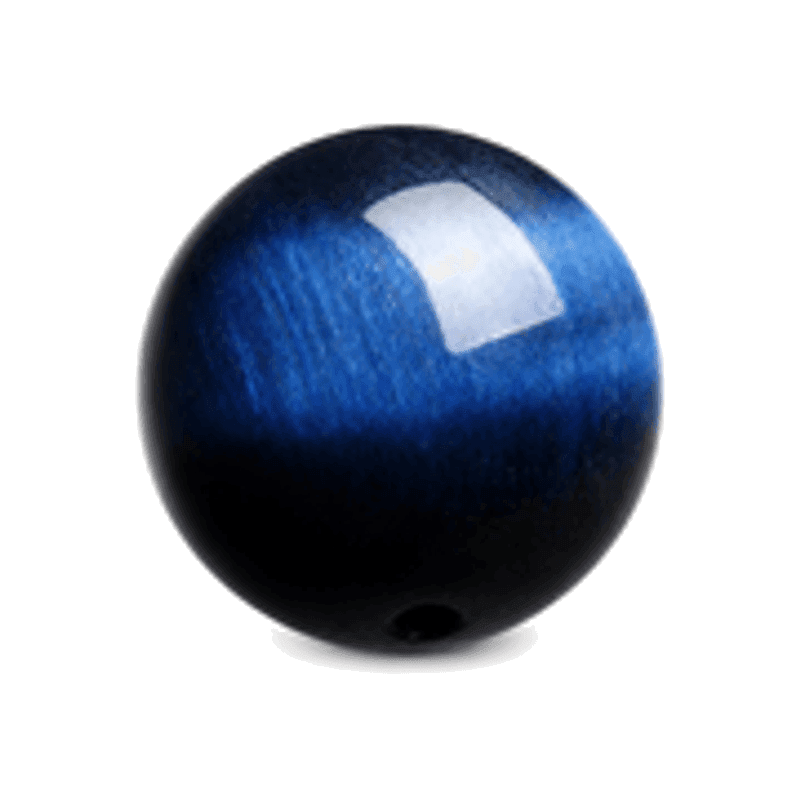
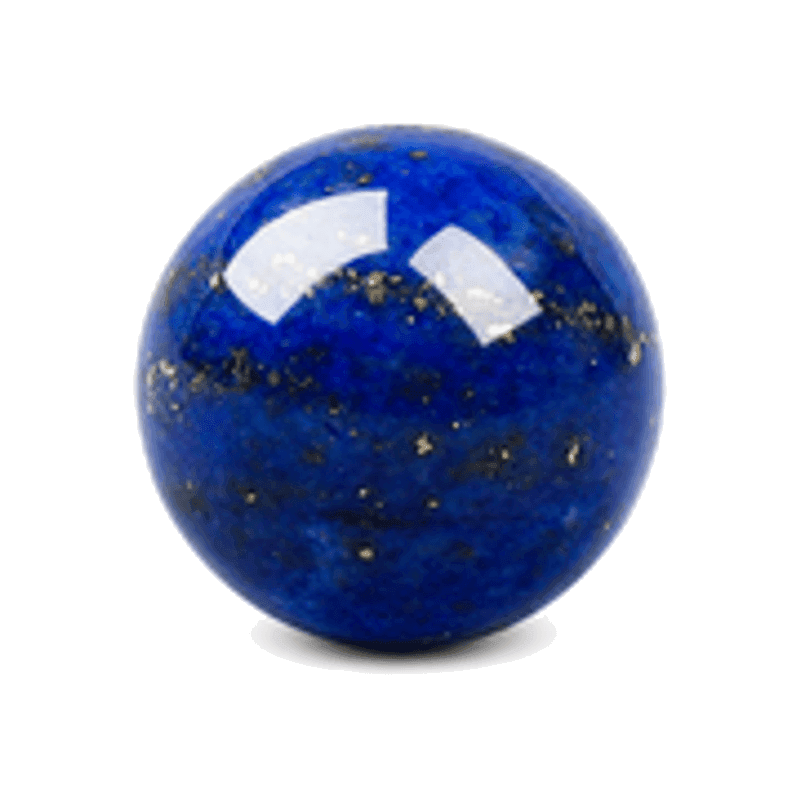
Ombrépale → deep
Blue Chalcedony → Lapis Lazuli
Three stones
Green & Moss
Both greens carry visible inclusions, so texture leads. Clear quartz between them makes the green read deeper.
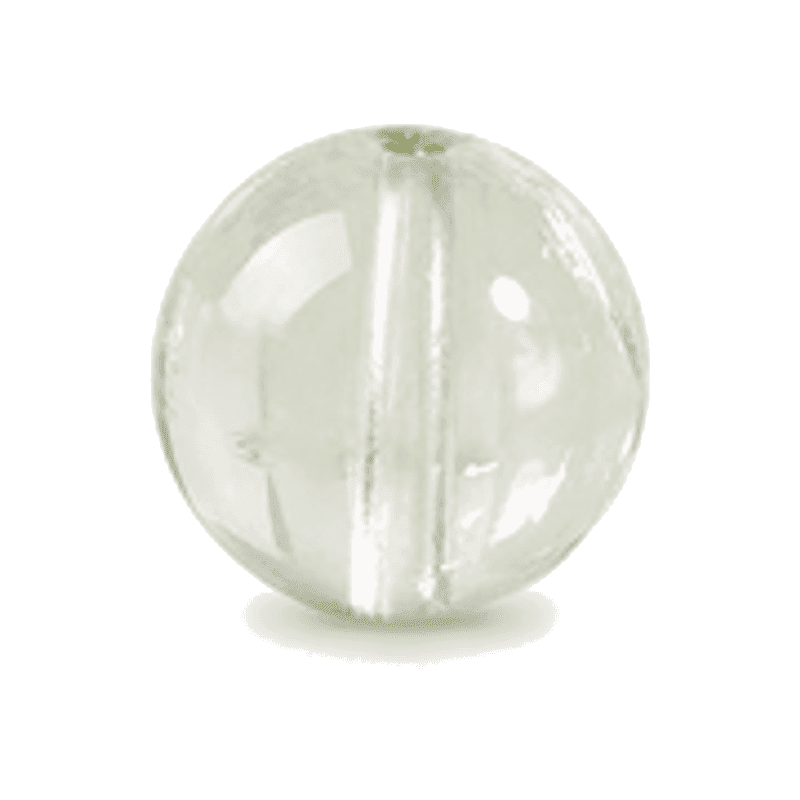
Solid21 / 1
21 × Green Quartz
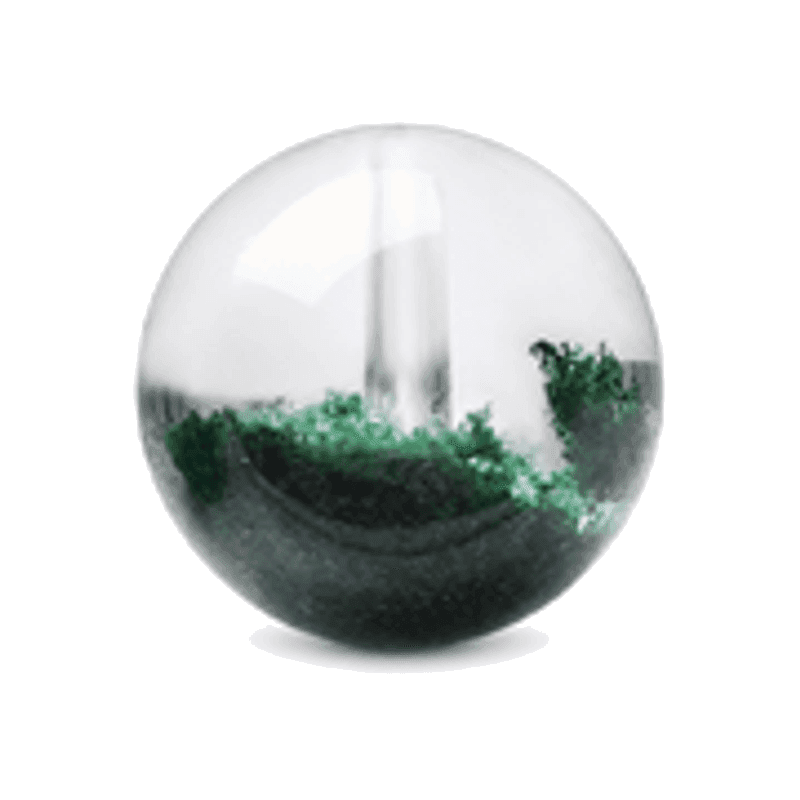
Alternate11 / 10
Green Quartz with Green Phantom Quartz
Focal20 + 1
20 × Green Quartz, one Garnet
Triad7 / 7 / 7
Green Quartz · Green Phantom Quartz · Clear Quartz
Rhythm1 in 3
Green Quartz base, Green Phantom Quartz every third bead
Ombrépale → deep
Green Quartz → Clear Quartz
Five stones
Black & Ink
One matte, one needled, one with a gold sheen: subtle contrast that stays easy to wear.
Solid21 / 1
21 × Black Onyx
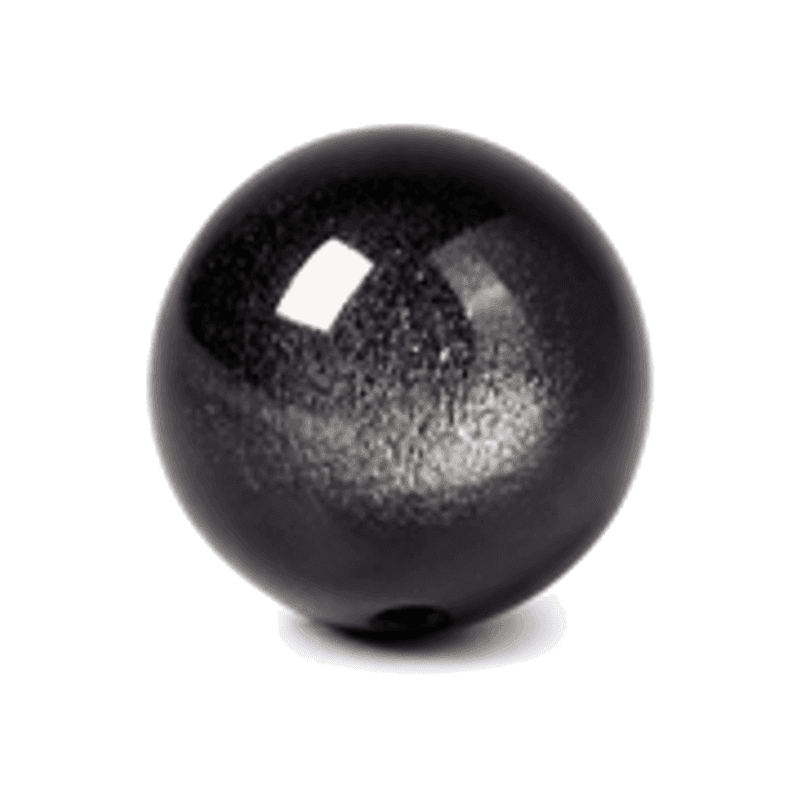
Alternate11 / 10
Black Onyx with Obsidian
Focal20 + 1
20 × Black Onyx, one Citrine
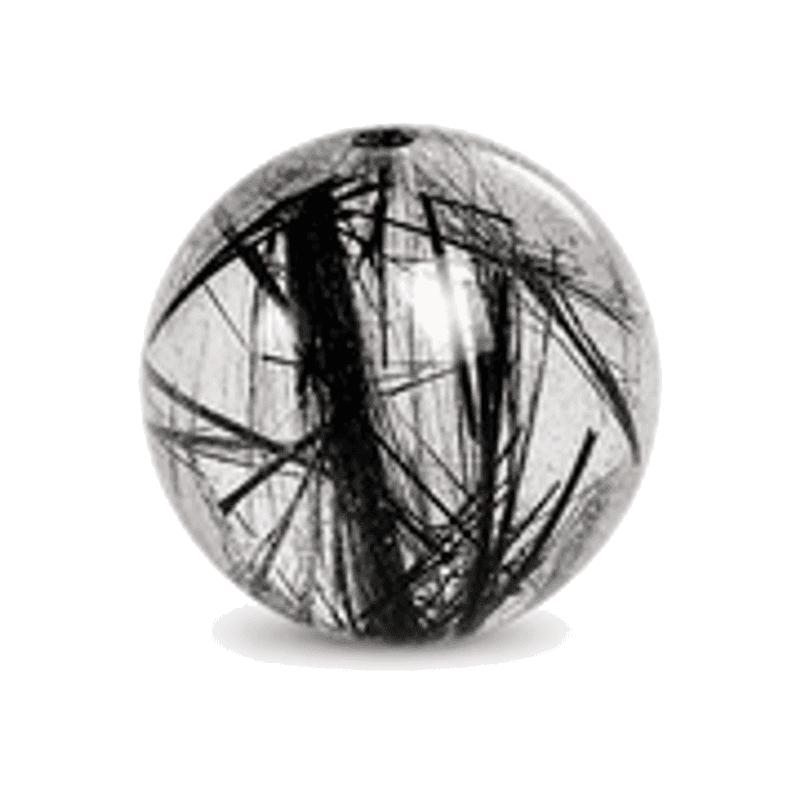
Triad7 / 7 / 7
Black Onyx · Obsidian · Black Rutilated Quartz
Rhythm1 in 3
Black Onyx base, Obsidian every third bead
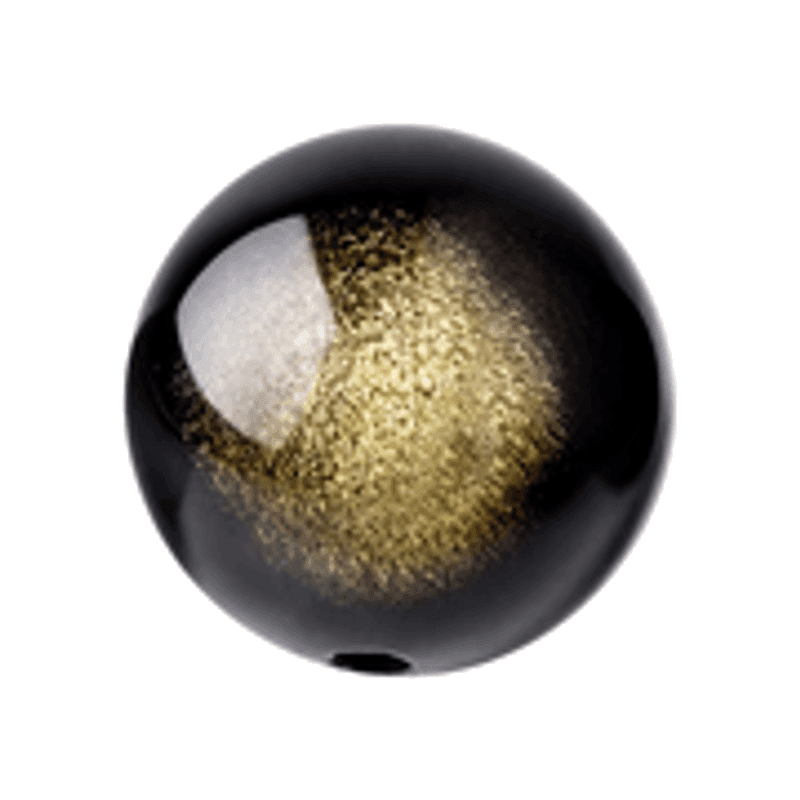
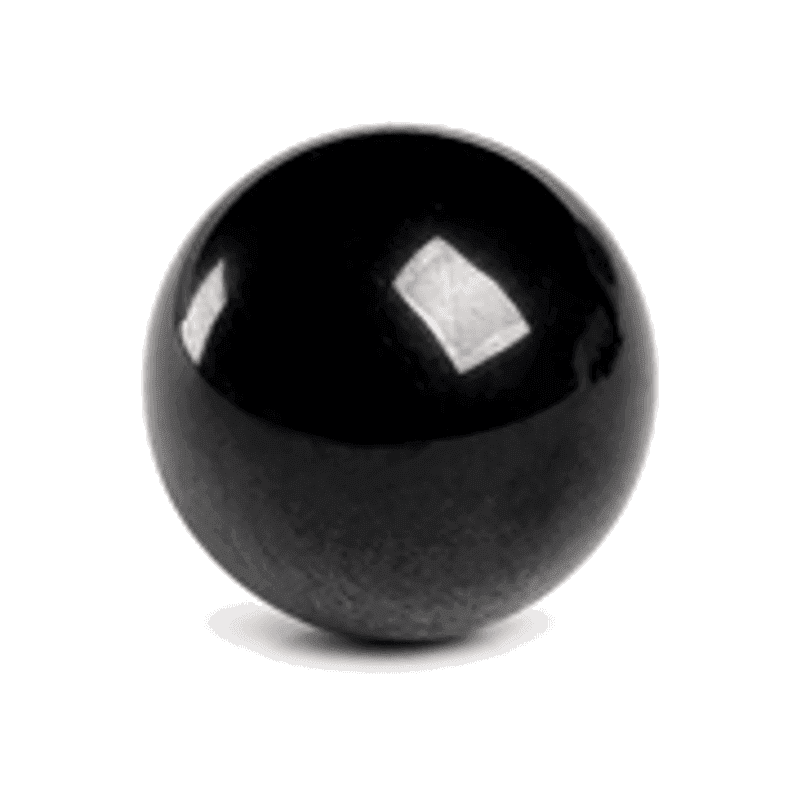
Ombrépale → deep
Black Onyx → Black Tourmaline
Never fails
Three rules for colour
Three shades of one colour
Pale, mid and deep — seven beads each, or graded around the strand. It agrees with itself because it is one colour to begin with.
A neutral base, one bright focal
Twenty beads of clear quartz, smoky quartz or black onyx, and a single citrine or garnet at the centre. Easy to wear and visually precise.
Neighbours on the colour band
The stones in the builder are ordered by hue. Two or three neighbours will agree; the further apart they sit, the more you need a neutral between them.
Before you start
Size and bead count
14–15 cm
18 beads · 8 mm
Slim wrist, close fit
15–16 cm
20 beads · 8 mm
A little give
16–17 cm
21 beads · 8 mm
The common size shown here
17–18 cm
23 beads · 8 mm
Loose fit or stacking